



An Unlikely Remake That Found Its Own Path
When The Karate Kid arrived in theaters in 2010, it carried the weight of a beloved 1984 classic on its shoulders. Remakes often feel like cinematic homework, dutiful but uninspired. This one, however, surprised audiences by relocating the story to China and reframing its themes through a global lens. Fifteen years later, revisiting the film is not just about comparing it to its predecessor, but about reflecting on how time has treated both the movie and the young stars who carried it.

A Story Rooted in Familiar Themes
At its core, The Karate Kid remains a coming-of-age tale about discipline, resilience, and respect. Dre Parker, a Detroit kid uprooted to Beijing, finds himself isolated by language, culture, and relentless bullying. Enter Mr. Han, a maintenance man with a quiet past and profound wisdom, who introduces Dre not only to martial arts, but to a way of understanding himself.

The narrative beats are familiar, but familiarity is not always a flaw. Like a well-practiced kata, the story gains meaning through repetition, refinement, and context.

Performances That Anchor the Film
Jaden Smith as Dre Parker
Jaden Smith carries much of the film’s emotional weight, and he does so with sincerity. As a child actor, he avoids the trap of precociousness, allowing Dre’s fear and frustration to feel earned. Watching him now, years later, the performance stands as a snapshot of youthful vulnerability before fame and public persona reshaped his career.
Jackie Chan as Mr. Han
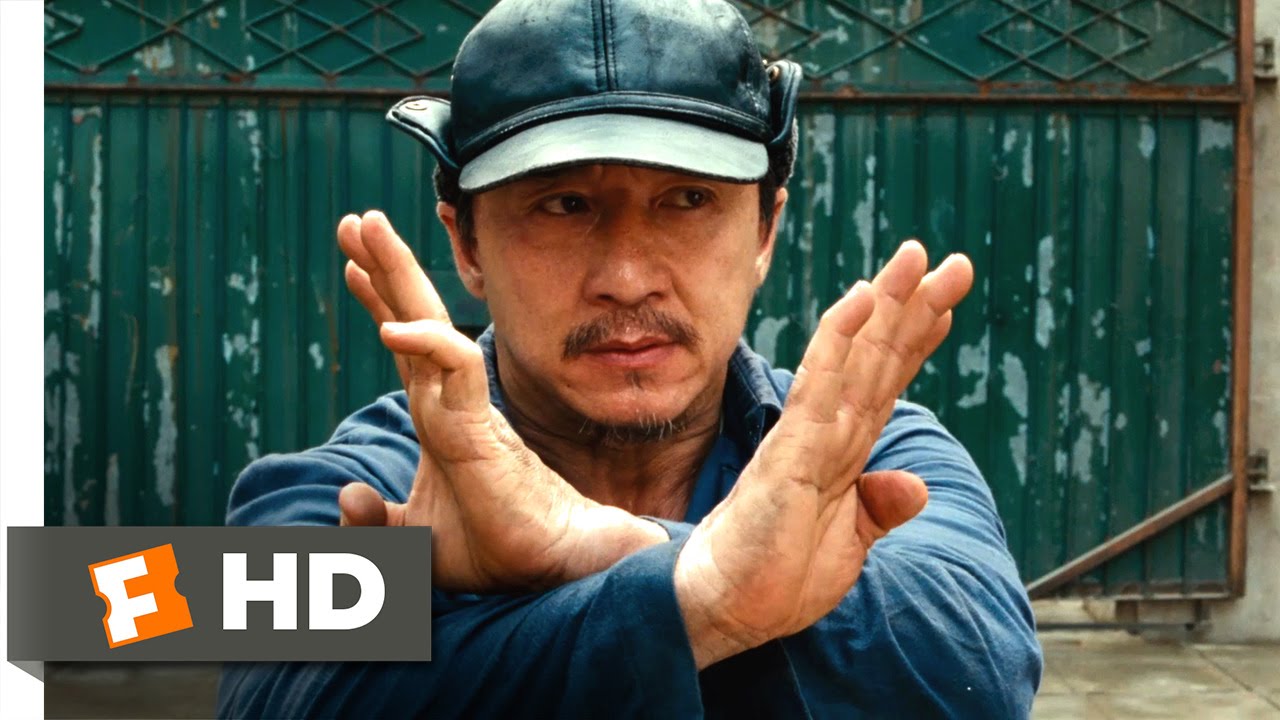
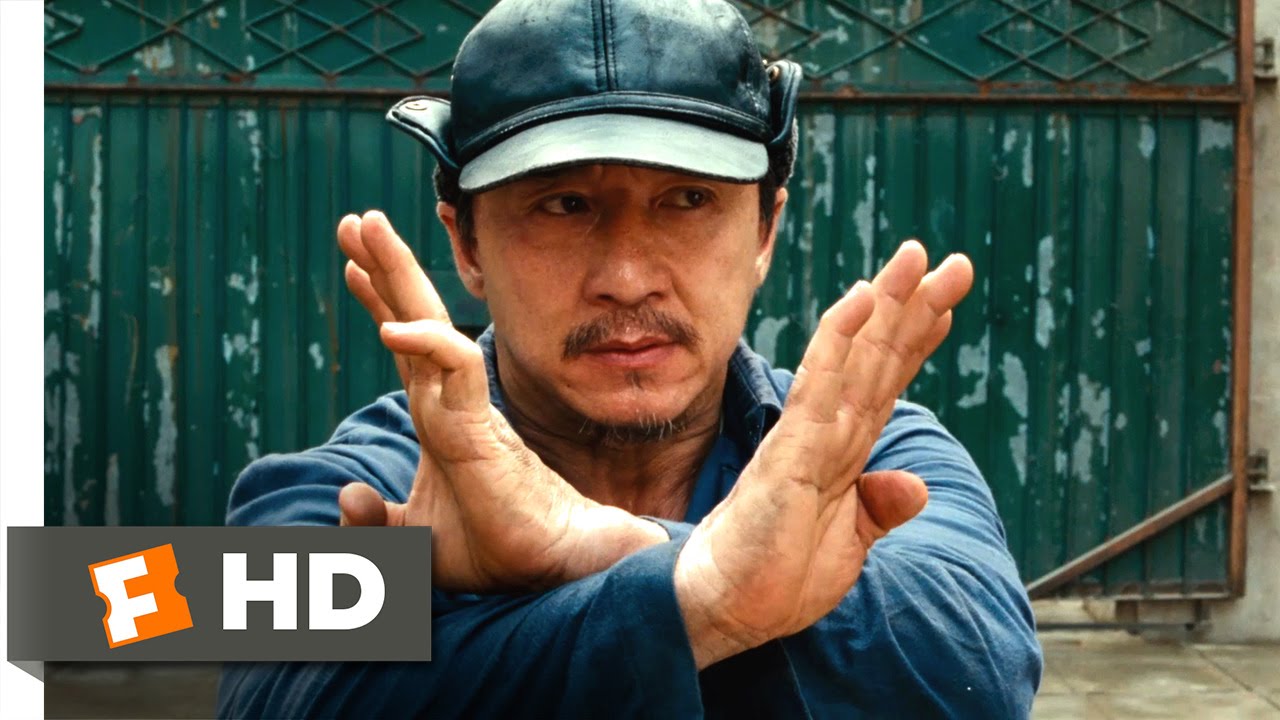
Jackie Chan delivers what may be one of the most restrained performances of his career. Gone is the broad physical comedy that defined his earlier work. In its place is a quiet, grief-tinged presence. His Mr. Han is not merely a mentor; he is a man burdened by loss, teaching not to escape pain, but to endure it with grace. Chan’s dramatic turn gives the film its soul.
China as More Than a Backdrop
One of the film’s most enduring achievements is its setting. Filmed largely in China, it became one of the first major Hollywood family films to authentically showcase Chinese locations and martial arts culture. The camera lingers on everyday streets, training halls, and sweeping landscapes, including scenes near the Great Wall that feel both majestic and grounded.
This choice transforms the film. China is not an exotic backdrop; it is an active participant in Dre’s journey. The cultural displacement he feels mirrors the audience’s own unfamiliarity, creating empathy rather than spectacle.
Martial Arts With Meaning
Despite its title, the film focuses on kung fu rather than karate, a decision that initially raised eyebrows but ultimately makes sense within the story’s geography and philosophy. The fight choreography emphasizes balance, patience, and internal discipline. Training montages are less about domination and more about repetition, humility, and respect for tradition.
- Training scenes focus on form and mental discipline
- Fights prioritize storytelling over spectacle
- Martial arts are framed as personal growth, not violence
Then vs. Now: Time’s Gentle Reassessment
In 2010, The Karate Kid was often judged in the shadow of its predecessor. Today, distance allows a fairer assessment. It is not a replacement, nor does it try to be. Instead, it stands as a respectful reinterpretation, shaped by globalization and cultural exchange.
The stars, too, invite reflection. Jaden Smith’s career has taken unexpected turns, while Jackie Chan has become a living bridge between cinematic eras and cultures. Watching them now, the film feels less like a remake and more like a time capsule of ambition and transition.
Final Verdict
The Karate Kid (2010) succeeds because it understands that tradition is not about imitation, but adaptation. Its emotional honesty, thoughtful performances, and authentic setting elevate it beyond the usual remake formula. Time flies, but the film’s central lesson remains: mastery, in life as in martial arts, comes not from winning, but from learning who you are.