



Introduction: Stripping Predator Back to Its Bones
After decades of sequels, crossovers, and escalating spectacle, Prey arrives with a quiet confidence that feels almost radical. Directed by Dan Trachtenberg, this 2022 entry in the Predator franchise does not attempt to outdo its predecessors in noise or scale. Instead, it looks backward, peeling the concept down to its most elemental form: a hunter, the hunted, and the unforgiving laws of survival. Set in the Great Plains of early 18th-century North America, Prey is less concerned with mythology than with instinct, resilience, and the cost of proving oneself.

A Story Rooted in Survival
The film centers on Naru, a young Comanche woman played with remarkable clarity and restraint by Amber Midthunder. Naru is a healer by training, but her ambitions extend beyond gathering herbs and tending wounds. She wants to hunt, to protect, and to earn recognition in a society that doubts her physical strength while overlooking her sharp intelligence. When strange signs appear across the plains—skinned animals, unexplained destruction, and a presence that feels wrong—Naru senses a threat long before anyone else does.

This is where Prey distinguishes itself. The Predator is not introduced with bombast, but with implication. We see its effect on the natural world before we fully understand its form. The tension builds through observation rather than exposition, allowing the audience to discover the danger alongside Naru. It is storytelling that trusts patience, something increasingly rare in modern franchise filmmaking.

Amber Midthunder’s Breakout Performance
Midthunder carries the film with a performance that is both grounded and quietly fierce. Naru is not written as an invincible hero, nor as a symbol flattened by metaphor. She makes mistakes. She misjudges her enemy. She learns, adapts, and endures. Midthunder communicates this evolution through physicality as much as dialogue, using posture, movement, and silence to chart Naru’s growth.
Her relationship with her brother Taabe, played by Dakota Beavers, adds emotional texture to the narrative. Taabe is respected, capable, and brave, embodying the traditional image of a warrior. Rather than reducing him to an obstacle, the film allows their bond to be complex, supportive, and ultimately tragic. Their dynamic reinforces one of the film’s central ideas: strength takes many forms, and wisdom often arrives too late.
Direction and Visual Storytelling
Dan Trachtenberg’s direction is confident without being flashy. Known for his work on contained, tension-driven stories, he applies the same discipline here. The action is brutal but legible. Each encounter with the Predator feels consequential, not disposable. Violence is not aestheticized; it is presented as messy, frightening, and final.
The cinematography makes excellent use of natural light and expansive landscapes. The Great Plains are both beautiful and indifferent, a fitting arena for a story about survival. Wide shots emphasize isolation, while close-ups draw attention to Naru’s awareness of her environment. This visual language reinforces the film’s themes without drawing attention to itself.
A Predator Reimagined
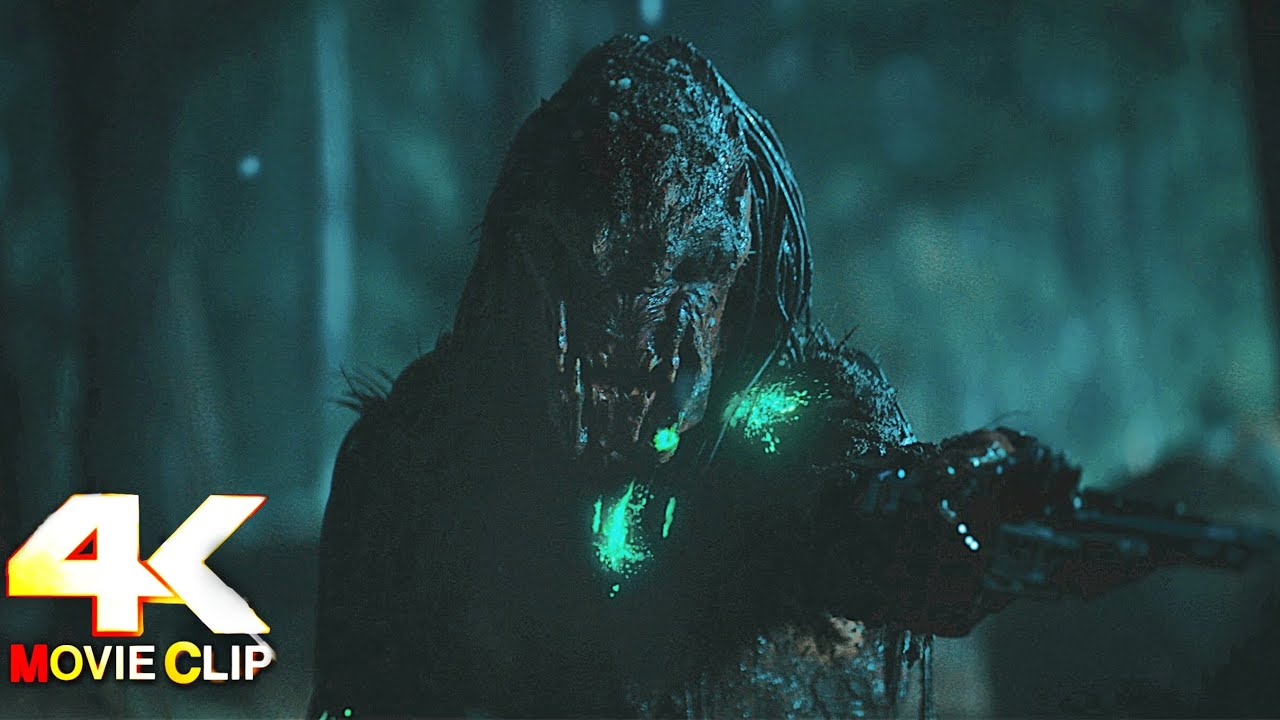
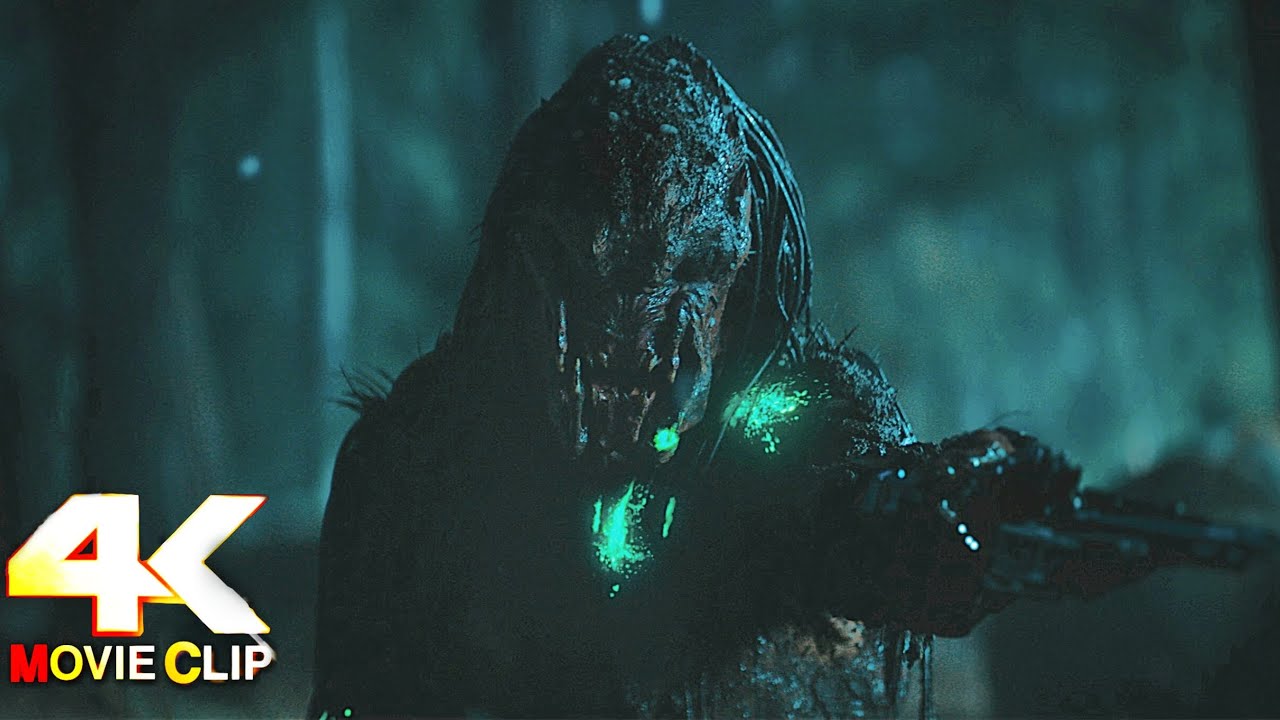
One of Prey’s smartest choices is its reimagining of the Predator itself. This version of the alien hunter feels more feral, less refined by centuries of technological dominance. Its weapons are advanced, but not infallible. Its tactics are brutal, but not omniscient. By allowing the Predator to make mistakes, the film restores a sense of genuine danger. Victory, when it comes, feels earned rather than inevitable.
The film also uses the Predator as a thematic mirror. Like Naru, it is a hunter seeking proof of worth. Unlike her, it relies almost entirely on superiority of force. The contrast between these approaches gives the final act a philosophical weight that elevates the climax beyond simple action spectacle.
Cultural Representation with Purpose
Prey stands out within the franchise for its largely Indigenous cast and its attention to cultural authenticity. The Comanche characters are not treated as exotic set dressing or historical abstractions. Their skills, customs, and community dynamics are integral to the story. The film avoids heavy-handed commentary, but its respect for perspective is evident in every choice, from costuming to language rhythms.
This grounding gives the film emotional credibility. When danger arrives, it threatens not just individual lives, but a way of living. That sense of loss and risk lingers beneath the action, giving the story resonance beyond its genre trappings.
Pacing, Tone, and Franchise Impact
At just under 100 minutes, Prey is lean by contemporary standards. There is little wasted motion. Each scene advances character, tension, or theme. The restraint is refreshing, especially in a franchise that has often struggled under the weight of its own lore.
Rather than setting up sequels or expanding mythology for its own sake, the film tells a complete story. It reminds us why the original Predator worked so well: a simple premise executed with intelligence and respect for the audience. In doing so, Prey becomes not just a revival, but a quiet course correction.
Final Verdict
Prey is a rare franchise entry that understands the value of subtraction. By stripping away excess and focusing on character, environment, and tension, it delivers a film that feels both intimate and thrilling. Amber Midthunder’s performance anchors the story with emotional truth, while Dan Trachtenberg’s direction keeps the suspense sharp and purposeful.
This is not merely one of the better Predator films; it is a reminder that genre cinema can still surprise us when it trusts simplicity and craft. Prey proves that sometimes, the most effective way forward is to return to the hunt itself.