





A Regency Romance That Knows How to Evolve
Few modern period dramas have managed to burrow into popular culture the way Bridgerton has. What began as a glossy, escapist romance has quietly matured into something more reflective: a serialized meditation on love, timing, and emotional readiness. After three seasons—and the emotionally devastating detour of Queen Charlotte—the series now stands at an interesting crossroads, looking simultaneously backward, inward, and ahead.
The Emotional Legacy of the First Three Seasons
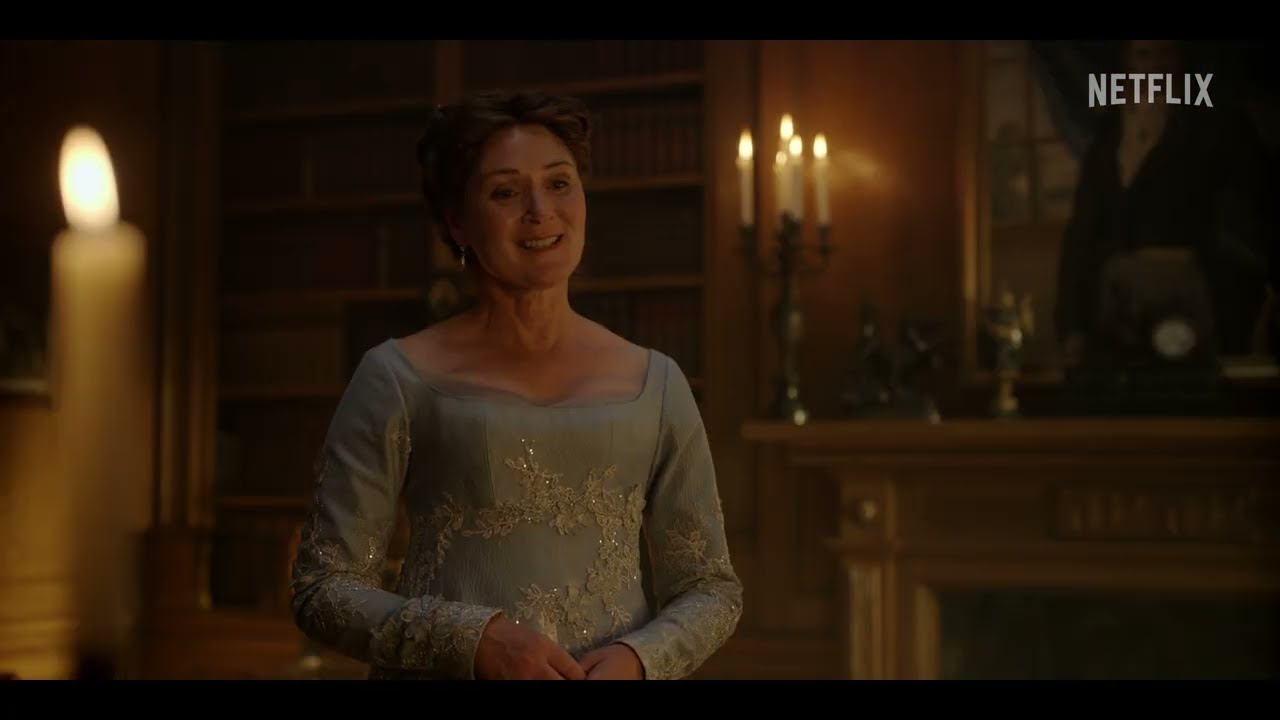
The early seasons of Bridgerton were built on bold declarations, sweeping gestures, and a heady confidence that love could conquer all, quickly and beautifully. Daphne and Simon’s story explored desire colliding with duty. Anthony and Kate’s season sharpened the emotional blade, lingering in longing and restraint. Colin and Penelope finally brought the slow burn to a boil, rewarding patience with tenderness.

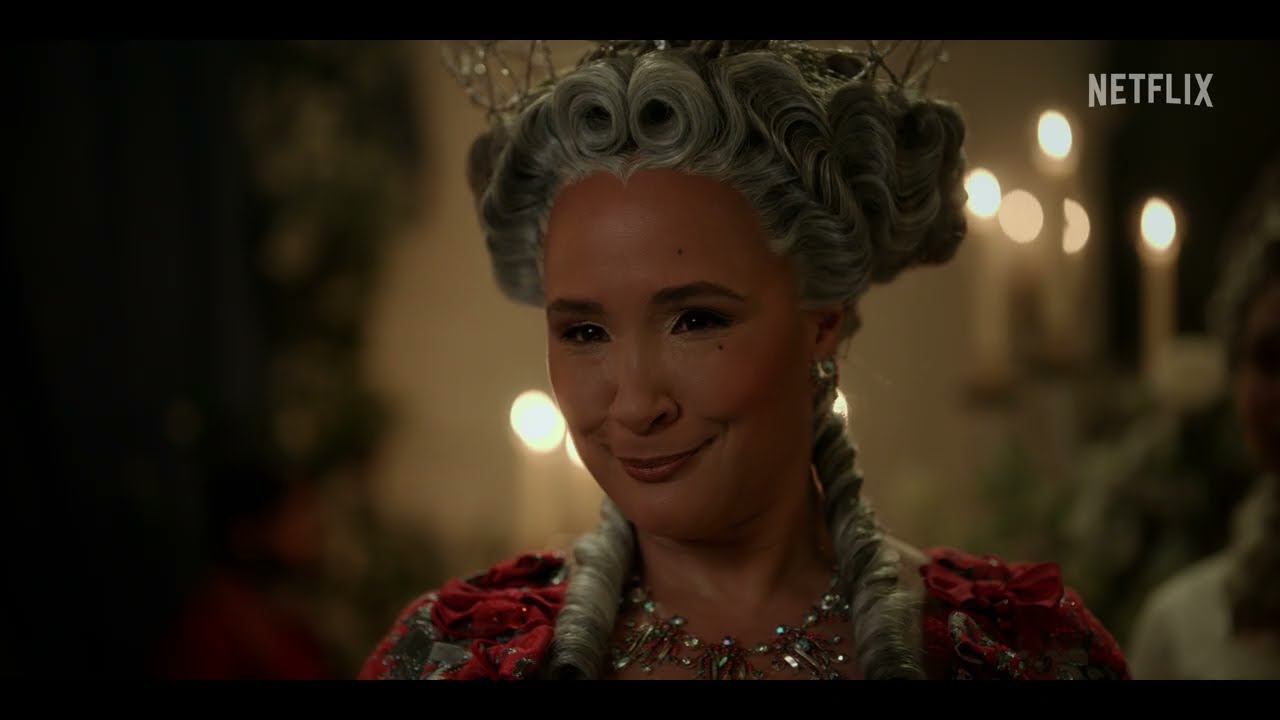
And then there was Queen Charlotte, a prequel that reframed the entire franchise. It stripped away some of the fantasy to expose the cost of love over time—mental illness, sacrifice, endurance. It did not simply break hearts; it educated them.
Why Queen Charlotte Changed Everything
- It introduced love as a lifelong negotiation, not a single triumphant moment.
- It added historical and emotional weight to the series’ lighter tone.
- It recontextualized romance as something that survives loss, not just passion.
Benedict Bridgerton: The Season That Could Redefine the Series
With Benedict’s long-anticipated season approaching, Bridgerton appears ready to change the rules it once wrote for itself. Benedict has always existed on the margins of the narrative—a romantic skeptic, an artist, a man searching for meaning beyond marriage and status. His love story carries the promise of something less conventional, more introspective.
If earlier seasons asked whether love could be found, Benedict’s story asks whether love can coexist with personal freedom. That question alone signals a tonal shift. This is not about racing toward the altar; it is about understanding oneself before choosing another.
What Benedict Represents
- A move away from rigid social expectations.
- A romance shaped by identity and self-expression.
- A quieter, potentially more daring emotional arc.
Eloise Bridgerton and the Promise of Future Seasons
Perhaps the most intriguing whispers surrounding the series involve Eloise. Her character has consistently challenged the genre from within, questioning marriage, motherhood, and the very framework of romantic storytelling. Reported developments in her love story suggest a narrative that may finally reconcile independence with intimacy.
If handled with care, Eloise’s arc could become Bridgerton’s most radical statement yet: that love does not erase autonomy, and that partnership can be chosen without surrender.
A Series Looking at Time, Not Just Passion
What makes Bridgerton compelling at this stage is its growing awareness of time. The show is no longer satisfied with first glances and stolen dances. It is interested in what happens after the music fades—how love matures, fractures, and endures.
In that sense, the series has grown up alongside its audience. The emotional damage of earlier seasons now feels intentional, a foundation laid so that future stories can resonate more deeply.
Final Thoughts: The Best May Truly Be Yet to Come
Bridgerton remains lavish, romantic, and unabashedly dramatic—but it is also becoming wiser. By embracing different kinds of love stories and allowing its characters to age emotionally, the series is evolving beyond its own formula.
If Benedict’s season delivers on its promise and Eloise’s future arc challenges expectations, Bridgerton may prove that even in a world built on fantasy, emotional truth is what lingers longest. The past has dazzled us, the present has wounded us, and the future, unexpectedly, might just heal us.