

An Immortal Returns, Sharpened for a New Age
There are films that linger in pop culture not because they were perfect, but because they promised something eternal. Highlander has always been one of those titles: a romantic, pulpy meditation on time, violence, and the lonely burden of living forever. The upcoming remake, led by Henry Cavill and directed by Chad Stahelski, does not appear interested in nostalgia for its own sake. Instead, it aims to reforged the myth in darker steel, polishing an old blade until it reflects the anxieties of a modern action cinema.

Henry Cavill as an Immortal Warrior
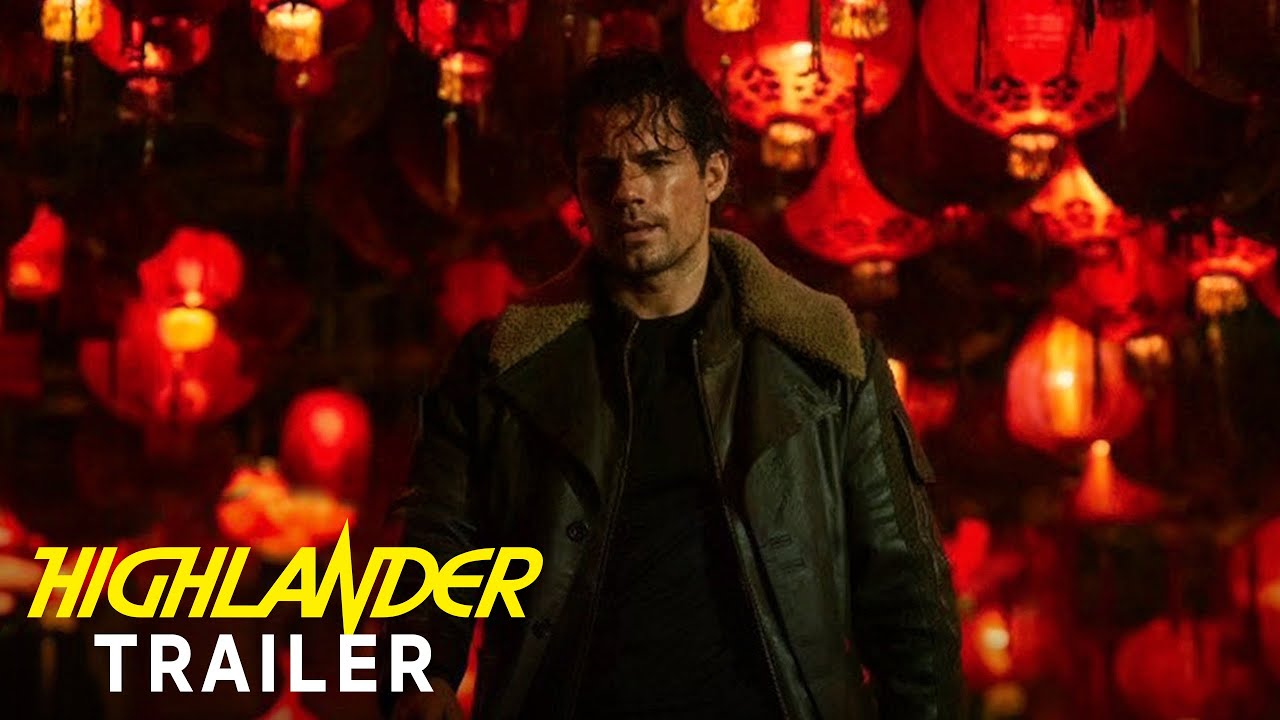
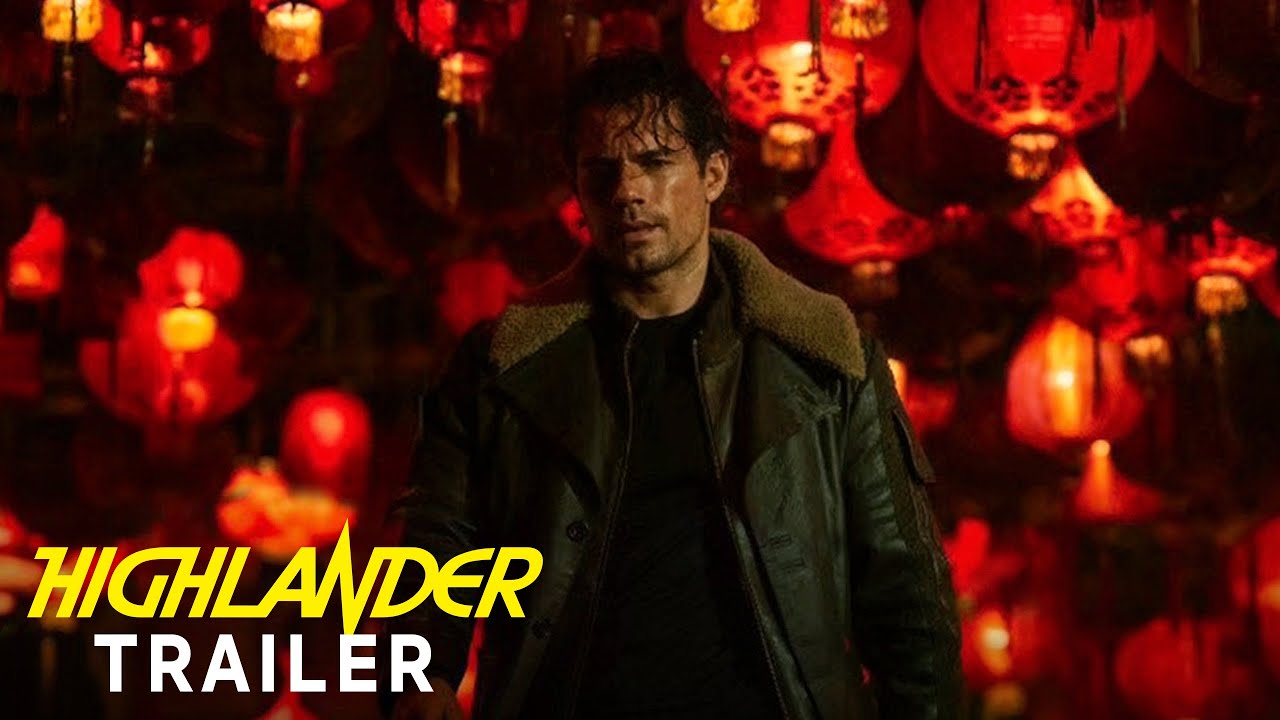
Casting Henry Cavill is not a safe choice; it is a deliberate one. Cavill has the physical authority of a classical action hero, but more importantly, he carries a melancholy weight that suits an immortal. His screen persona often suggests a man burdened by history, someone who understands that strength comes at a cost. In Highlander, that quality feels essential.

This version of the character appears less mythic hero and more weathered survivor. Cavill’s presence hints at an immortal who has seen civilizations rise and rot, and who now moves through the modern world with wary precision. It is a performance that promises introspection beneath the muscle, a balance the franchise has always needed but rarely achieved.

A Hero Built on Contradiction
- Physically imposing yet emotionally restrained
- Ancient in experience, modern in movement
- A warrior defined as much by loss as by victory
Chad Stahelski and the Art of Violence
Stahelski’s involvement may be the remake’s most important signal. Known for redefining contemporary action through the John Wick films, he treats violence as choreography rather than chaos. Sword fights in Highlander are expected to be brutal, precise, and uncomfortably intimate, less about spectacle and more about consequence.
What makes this pairing exciting is Stahelski’s respect for physical storytelling. His action sequences often reveal character through movement. A tired swing, a desperate parry, a moment of hesitation before a killing blow — these are the details that could elevate Highlander from franchise reboot to something closer to tragic opera.
Expectations for the Action
- Long, carefully staged sword duels
- Minimal reliance on frantic editing
- Combat that communicates character and history
A Darker, Grittier World
The first glimpses of the film suggest a tonal shift toward shadow and grit. This is not a glossy fantasy, but a world where immortality feels like a curse carved into bone. Ancient warriors walk among neon-lit streets and concrete ruins, their legends clashing with the anonymity of modern life.
This tonal choice feels appropriate. Immortality, after all, is not clean. It is repetitive, violent, and isolating. By leaning into a harsher visual language, the remake acknowledges that living forever would erode the soul long before it perfects the body.
Can This Redefine the Franchise?
The original Highlander thrived on mood and myth but often stumbled on coherence. This remake has an opportunity to unify those elements under a confident creative vision. With Cavill’s grounded intensity and Stahelski’s disciplined direction, the film could finally deliver on the franchise’s long-promised depth.
The risk, of course, lies in excess. Too much emphasis on brutality could flatten the story into mere endurance. The best version of Highlander remembers that immortality is not impressive because it is powerful, but because it is lonely. If the film holds onto that truth, it may stand apart from the endless cycle of reboots.
Final Thoughts
This Highlander remake feels less like a resurrection and more like a reckoning. It respects the past without being trapped by it, sharpening its themes to suit an audience that now expects emotional weight alongside action. If it succeeds, it will not simply revive a franchise. It will remind us why stories about immortality endure: not because we want to live forever, but because we fear what forever would cost.