



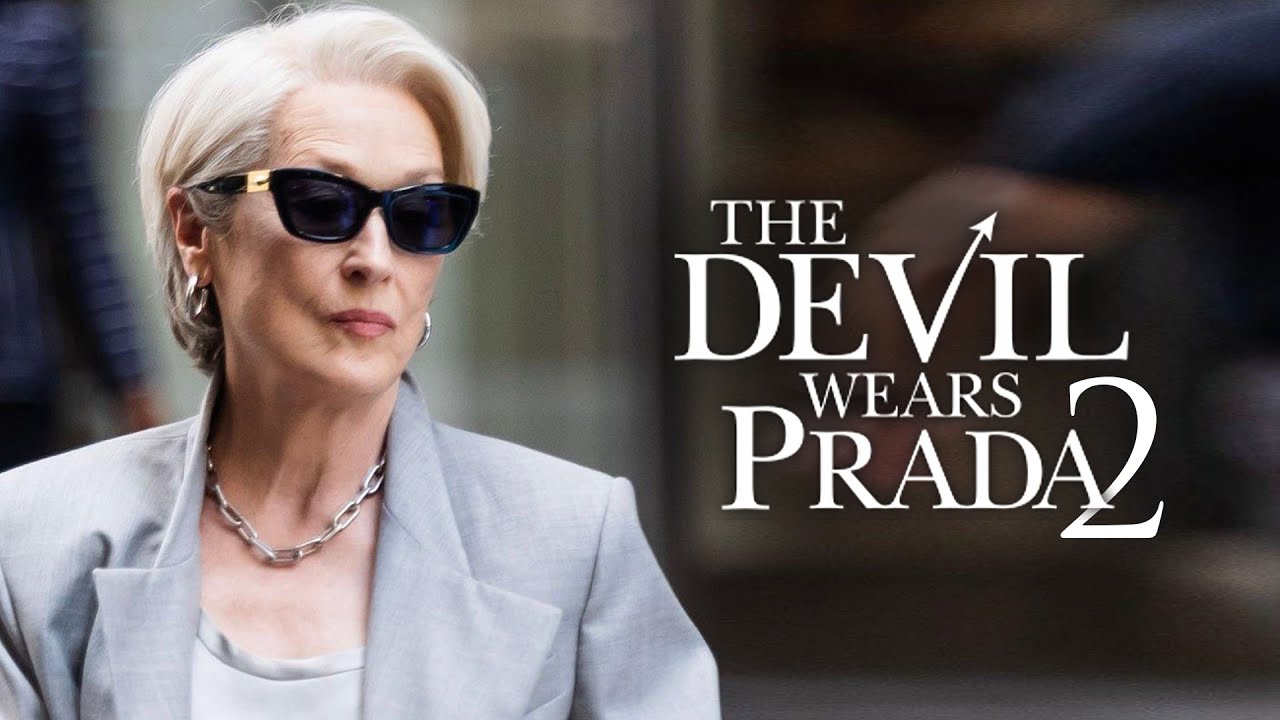
The Devil Wears Prada 2: A Fashionable Return to Power and Betrayal
Two decades have passed since the iconic battles in the Runway newsroom, and the world has changed. In The Devil Wears Prada 2, director David Frankel returns with a gripping sequel that blends the world of fashion with corporate intrigue, exploring the timeless clash of ambition, power, and identity.

Miranda Priestly: The Unyielding Titan
Miranda Priestly, portrayed by the incomparable Meryl Streep, remains a towering figure in the world of fashion. Her icy demeanor and sharp sense of style have only grown sharper, even as the world around her shifts. As print media fades into the background and digital platforms take over, Miranda’s reign at the helm of haute couture is challenged by the changing tides of the industry. Yet, even in the face of technological advancement, she remains a force to be reckoned with—an emblem of unshakable authority.

Emily Charlton: The Rival Who Knows All
One of the standout elements of this sequel is the return of Emily Charlton, played by Emily Blunt, who has evolved from a loyal assistant to Miranda to a rival who poses a significant threat. Emily’s transition from underling to competitor is portrayed with both grace and cutting wit, as she navigates the high stakes world of fashion journalism. What makes her a particularly formidable adversary is her intimate knowledge of Miranda’s every move—making her a worthy opponent in their battle for power and influence.

The Stakes Are Higher
- Legacy vs. Identity: At its core, The Devil Wears Prada 2 is about the tension between legacy and identity. Miranda is at a crossroads, facing the reality that her influence may be waning, while Emily steps into the spotlight with her own vision of success.
- Corporate Intrigue: The plot thickens with the introduction of corporate gamesmanship. Miranda’s unrelenting focus on maintaining control over the fashion empire is met with calculated betrayals from all sides. As the stakes rise, the characters must decide where their loyalties lie and what they are willing to sacrifice to achieve their goals.
- Fashion as a Metaphor: Fashion, once the backdrop of the original film, now becomes a metaphor for the characters’ ambitions, aspirations, and internal struggles. The elegant world of high couture no longer simply serves as the setting—it is a battleground where legacy, identity, and survival are at stake.
Returning Faces: The Heart of the Film
Alongside Streep and Blunt, Anne Hathaway makes her return as Andy Sachs, now an influential editor caught between the war between her former mentor and her rival. Hathaway brings a fresh level of depth to Andy’s character, navigating the pressures of power, loyalty, and her own desires. Stanley Tucci also reprises his role as the ever-cynical Nigel, offering a touch of elegance and wisdom, forced to reconcile his past with the demands of an ever-changing industry.
Conclusion: A Stylish Yet Thoughtful Sequel
In The Devil Wears Prada 2, the glamour of the fashion world meets the harsh realities of corporate power struggles. Frankel and screenwriter Aline Brosh McKenna have crafted a story that goes beyond the superficial world of high fashion, delving into themes of legacy, betrayal, and the shifting dynamics of power. The stakes are higher, the heels sharper, and the characters more complex than ever before. It’s a must-watch for fans of the original, as well as those who appreciate a sophisticated narrative wrapped in the world of style and ambition.